| |

|
|
|
|
|
|
|
|
|
Greetings from the Motor City!
Today, we’ll look at whether this is a golden era for the U.S. auto business, the German auto industry’s fossil fuel problem and, yes, the latest on Musk and Twitter. Have a great weekend!
Here we go -
|
|
|
|
|
|
|
|
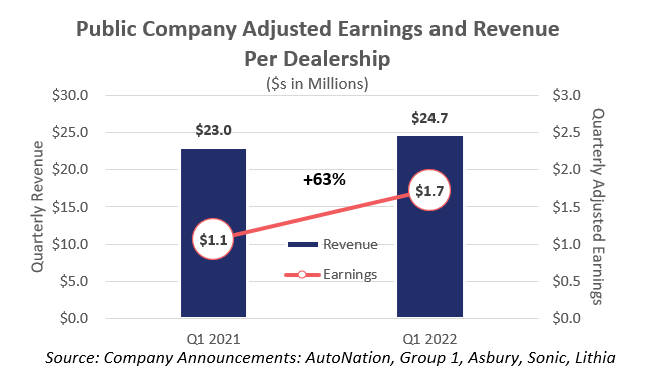
Source: Haig Partners using company announcements.
|
|
|
The U.S. auto industry’s real “inventory problem”
A lot has been said about the U.S. auto industry’s struggle to sustain production as supplies of semiconductors and other materials keep falling short.
The industry’s supply chain production hell is a problem. Friday, mega supplier Magna International slashed its 2022 financial outlook, saying the decision was forced by lower forecasts for vehicle production and rising input costs.
But, as the song goes, one man gathers what another man spills.
For U.S. auto dealers, and certain automakers, the “abnormal” conditions of today’s market are far superior to what was “normal” in the years before March 2020. In fact, a lot of industry players don’t want to go back to pre-pandemic conditions, and are saying so.
The supply chain crisis U.S. auto market has been golden for dealers. Public dealer groups such as Group 1 Automotive and AutoNation have reported record profits for Q1. Group 1 said its gross profit per vehicle more than doubled from a year ago to just over $5,400 on a same-store basis.
Profits for public and private dealer groups could rise by more than 60% in the first quarter compared to a year ago, says Alan Haig of Haig Partners, an auto dealer brokerage. He reckons that it could take as many as five years for automakers to satisfy pent-up demand in the U.S. market.
Why is this happening, even as headline U.S. GDP goes negative?
One reason is that the wealthiest consumers - the most fortunate 20% or so - have gotten wealthier, and are willing to spend big on new cars and trucks. Average transaction prices for new vehicles are above $45,000.
With inventories at less than half “normal” pre-pandemic levels, dealers can realistically aspire to have 80% of the vehicles headed to their lots sold before they arrive, and 80% of those deals at sticker price or higher, says Brian Finkelmeyer, senior director of new car solutions at Cox Automotive.
“For dealers this is a dream come true,” he says.
And for automakers? With a few tweaks, things could be pretty dreamy for the manufacturers, too.
Ever since Chrysler pitchman Joe Garagiola told America it could “buy a car, get a check,” automakers in the U.S. market have struggled to wean customers off the idea that all new vehicles come with a discount. The Detroit manufacturers undermined their pricing power by building vehicles just to keep assembly lines rolling, then stacking them at dealerships. (At various times their Asian and European rivals succumbed to the over-stocking vice.)
Now, Detroit’s automakers are operating with less than two weeks’ worth of their most popular models in stock, and are boosting prices accordingly.
“We really have quite a bit of pricing we’ve recently put in the market. It’s stuck,” said Ford CEO Jim Farley. Ford has cut the subsidies it pays dealers to stock cars as one way of boosting its revenue.
General Motors has raised prices by 10% to 20% on its trucks and SUVs, CFO Paul Jacobson said this week.
So who wants to go back to the days of big inventories? Nobody in the auto business. How long will this Gilded Age last? Ford CFO John Lawler told analysts discounts could get richer as more semiconductors flow and vehicle production increases later this year. But Stellantis CEO Carlos Tavares warned the chip crunch could continue into next year.
If there’s a real U.S. recession, that’s another story.
|
|
|
|
|
|
|
|
|
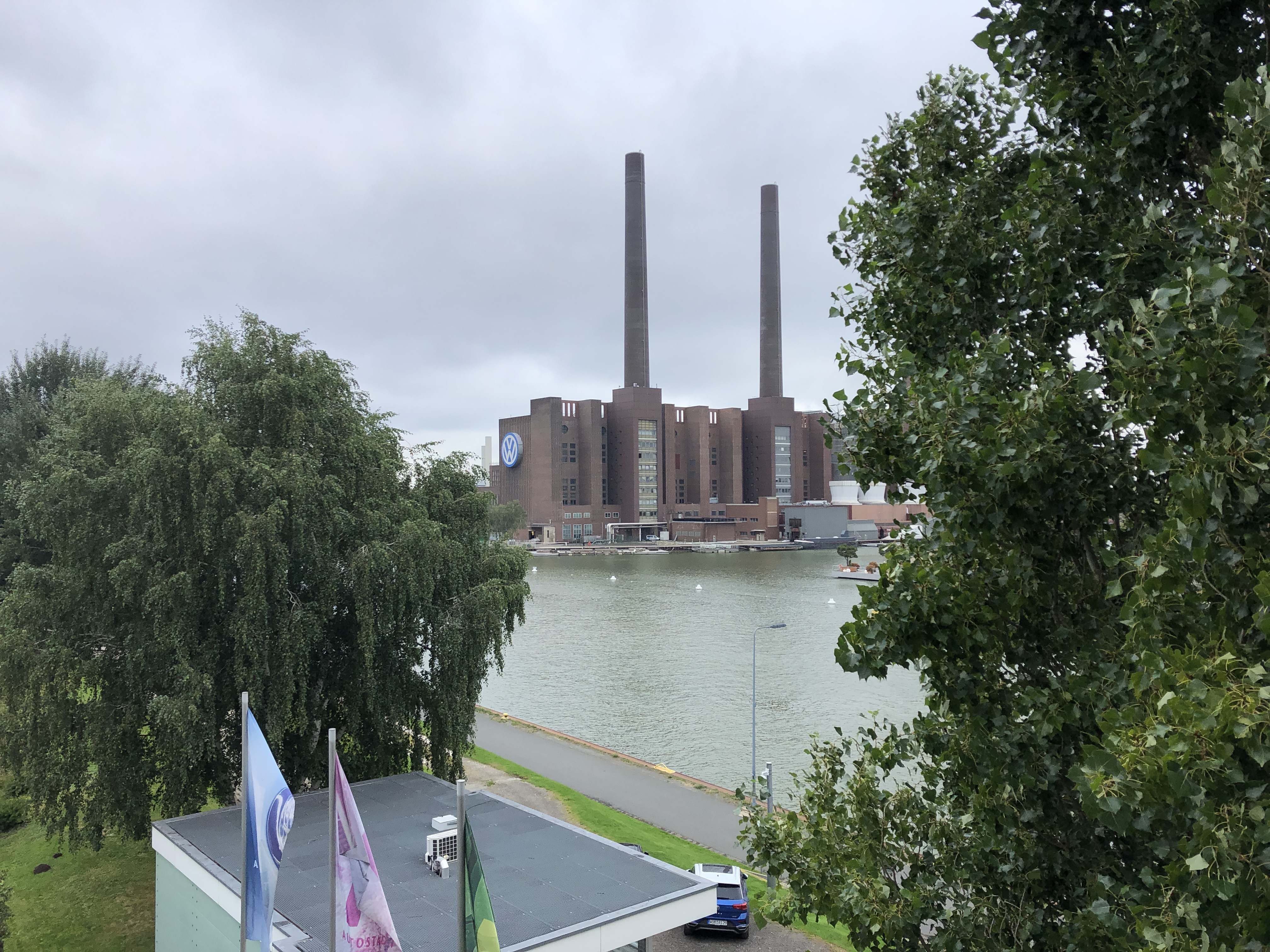
Photo by Joseph White
|
|
|
It’s not easy going green
Russia’s moves to cut off natural gas supplies to Western and Central Europe have caught Germany’s automakers in mid-leap between the future in which they promise to be running on clean, no-carbon energy and today’s reality, which is heavy on fossil fuels.
“Every company is looking at options for diversifying energy sources,” Mercedes-Benz CEO Ola Kaellenius said.
Switching energy sources at auto industry scale is a multi-year challenge that some energy experts such as Vaclav Smil worry is unrealistic without big technological breakthroughs.
European automakers shun Google
Mercedes-Benz will develop an app store for its connected vehicles with Faurecia-Aptoide, a JV of French auto supplier Faurecia and Portuguese Android tech startup Aptoide. That’s a loss for Google, and there could be more. Aptoide says it is in talks with a French carmaker, and already counts Volkswagen as a customer. Aptoide’s willingness to let automakers control the in-dash branding and data looks like the key to its success.
Curtains for expanded US EV subsidies?
U.S. Sen. Joe Manchin has said aloud what even some in the auto industry are wondering: Does the United States government need to offer expanded subsidies to spur sales of electric vehicles at a time when demand for many EVs is outrunning supply? Sen. Manchin’s judgment appears to be, no, and that likely means lights out for the Biden Administration’s proposals to significantly expand the current $7,500 per vehicle tax credit for a manufacturer’s first 200,000 EVs.
On the positive side, Volkswagen and oil giant BP said they are expanding their EV charging collaboration and looking to take it to more markets. If you build them, charging will come.
Musk sells Tesla shares
Elon Musk sold $8.5 billion worth of his Tesla shares as he gears up to try to close his $44 billion offer to buy Twitter. There’s still plenty of skepticism that he will get all the cash together, but this sale is another sign that the world’s richest person is serious about this.
|
|
|
|
|
|
|
|
Tata’s EV drive
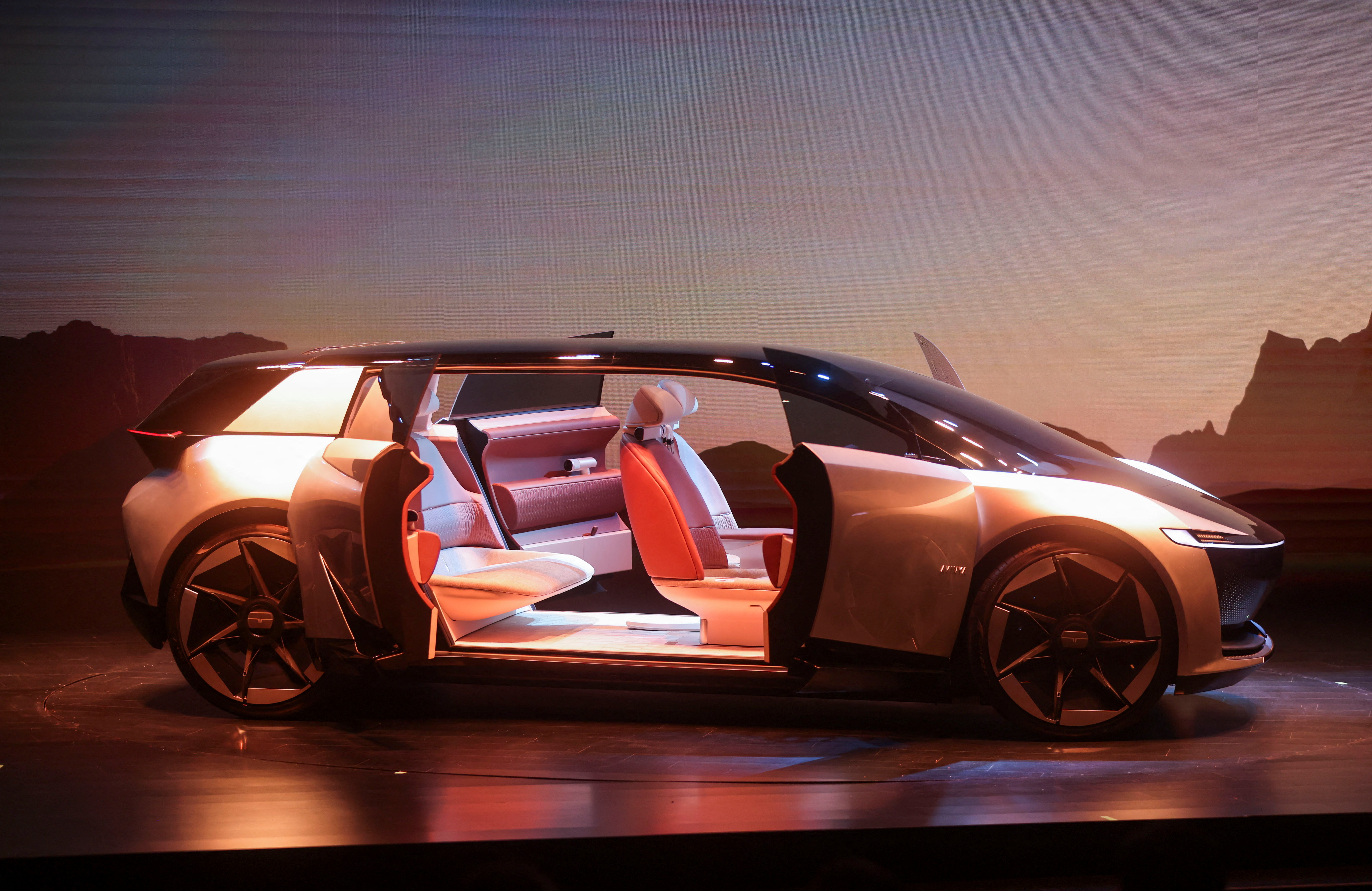
Indian automaker Tata has outlined a plan to get into the electric vehicle game, albeit late, with a new EV architecture due to hit the roads in 2025.
The Indian government is intent on protecting Tata and other domestic automakers from Chinese EV rivals, and Tesla unless Elon Musk builds a factory in India.
AV Angst in Washington
A group of Democratic Senators is urging Transportation Secretary Pete Buttigieg to light a fire under his agency’s slow-rolling effort to develop a comprehensive regulatory framework for autonomous vehicles. The lawmakers’ worries about “lagging behind” come as Chinese authorities are granting more permits to AV companies to launch commercial services.
Carvana gets an expensive lifeline
Former auto ecommerce star Carvana raised $3.275 billion with a debt offering priced at 10.25%. The Wall Street Journal reported half the amount was purchased by private equity firm Apollo Global Management, which stepped in when other investors balked at Carvana’s offering after the company’s weaker-than-expected Q1 performance.
The deal shows that the days of free-money disruption in the auto retail business are over.
Chip Show delays the new Z car
Here’s a good reason to hate the semiconductor shortage: Nissan confirms that it will delay the launch of the new Z sports car until summer because of “unforeseen supply chain issues.”
|
|
|
|
|
Recommended newsletters
|
|
|
|
|
|
Reuters Business
|
|
|
|
A weekday digest of breaking business news, coverage of the U.S. economy, major corporate news and the financial markets.
|
|
|
|
Subscribe
|
|
|
|
Technology Roundup
|
|
|
|
The latest news and trends in tech sent to your inbox daily.
|
|
|
|
Subscribe
|
|
|
|
|
|
|
|
|
|
|
|
|
|