How to save for a long lifespan

View in Browser

Sign up for Reuters newsletters

Reuters
Reuters
Reuters
Reuters

On the Money

By Lauren Young, Digital Special Projects Editor

As I write this newsletter, my 18-year-old son is in the next room, ostensibly packing for college, which starts next week.


We’ve had many talks about money this summer. In the past few months, he has applied for his own credit card, opened up a bank account, shopped for food and researched auto insurance. (He wants a car.)


And while I appreciate the efforts, the truth is my son will be relying on the Bank of Mom and Dad for the next few years. Which begs the question: At what age should American kids become financially independent?


The answer is that the harsh reality of a complex modern economy makes it hard to figure out.


“No doubt it is more expensive than ever to be a young adult,” says Ted Rossman, senior industry analyst at financial information site Bankrate. “Household formation costs are very expensive, college is very expensive – everything costs more. I have a lot of empathy for people who are just starting out.”


That said, the typical age of financial independence should be between 20 and 23 years old, according to a Bankrate survey.


Break the numbers down by cost category and differences of opinion can be pretty wide. For example, people expect young adults to cover bills like cell phones, credit cards and car payments and insurance by age 20. But other costs, like health insurance and student loans, are not expected to be handled solo until age 23.


There are best practices to set your kids on the right financial path, especially since this is an emotional area where wrong moves could create lasting damage.


If you have a teenager or twentysomething, let me know if and how you’re helping them financially. Write to me at lauren.young@reuters.com.

Ways to save for a longer lifespan

Pat Weber leads the Sun City Poms cheerleader dancers as they rehearse in Sun City, Arizona. REUTERS/Lucy Nicholson

Speaking of age…if you have reached age 65 and are reading this, you are likely going to live a lot longer than you realize.


The bad news is that you obviously will require money to do so – and you might have to revise your retirement calculations upward.


That is the finding of a new report from TIAA Institute and the Global Financial Literacy Excellence Center, which has discovered that our collective “longevity literacy” – our grasp of how long we are going to be around – is very bad indeed.


My Grandmom Doris made it to 99, and she was always very careful about money. She lived in her own home until the end. #goals


But not everyone can be so lucky. In case you missed it, here are a few pointers on how to embark on a Golden Girls-style co-living arrangement.


What I’m reading and watching

  • Biden plan would guarantee overtime pay for 3.6 million workers 
  • U.S. growth, a puzzle to policymakers, could pose global risks 
  • Short U.S. housing correction likely over; tight supply to keep prices high: Reuters poll
  • French hot spell to cut wine output but boost quality
 

Video of the Week

ratio 

Bigger may be better when choosing healthcare stocks. Healthcare stocks in the U.S. have seen a decline this year, and recent restrictions on drug pricing by the Biden administration have made it worse. John Hancock's Matt Miskin explains why they are due for a bounce and says bigger may be better when choosing stocks in this sector.

How to invest in Artificial Intelligence

Technology leaders attend a generative AI (Artificial Intelligence) meeting in San Francisco as the city is trying to position itself as the AI capital of the world. REUTERS/Carlos Barria

Artificial Intelligence is the hottest thing in investing. Nvidia Corp’s (NVDA.O) soaring rally thrilled many investors this year – except for the sizeable number of fund managers who avoided what they believe to be an expensive stock.


Shares of the semiconductor company, whose chips power generative AI apps such as ChatGPT, have more than tripled in a rally fueled by excitement over the prospects for artificial intelligence. 


Yet many funds hold less of the stock in their portfolios compared with Nvidia's weight in key equity indexes, making it tougher for them to beat their benchmarks.


But there are still ways to grab a slice of the AI boom. 

Speaking of stocks...

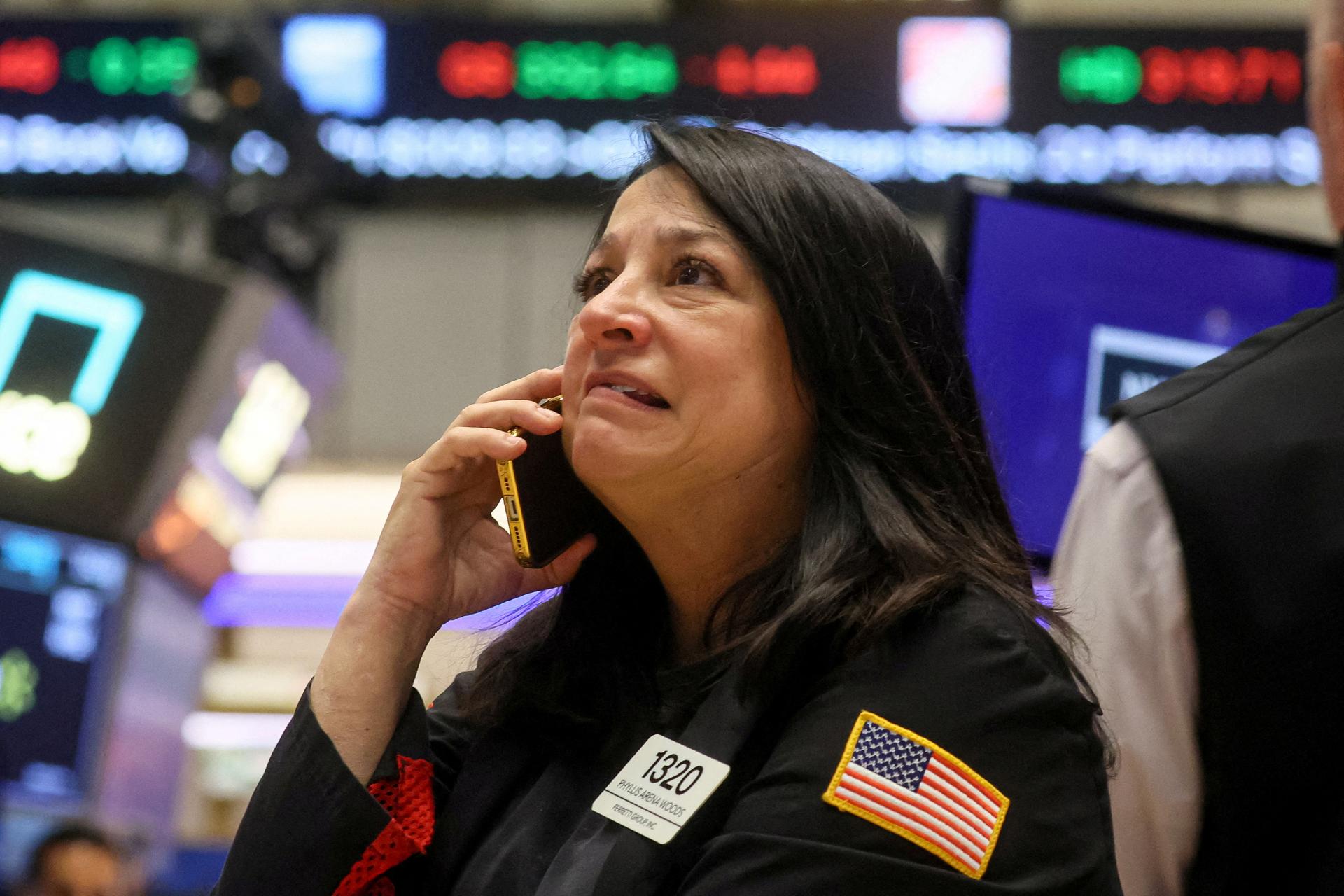
A trader works on the floor of the New York Stock Exchange (NYSE) in New York City. REUTERS/Brendan McDermid/File Photo

Although September is "historically and by quite a large margin the worst month for stocks," this year it's apt to be "springy" and "ebullient" for investors, according to George Ball, chairman of Sanders Morris Harris.

A$k Lauren

Are you thinking about moving abroad? Or are you wondering if you can afford a vacation home? Send your money questions to me at lauren.young@reuters.com, and I'll tap my extensive source network and braintrust for expert advice.

New newsletter alert!

Is Ford doing a better job of cutting emissions than Toyota? Is BP greener than Shell? For investors looking to weed out climate laggards from portfolios, these are vital questions but existing guidelines on emissions reporting and new rules due to come in for the United States and Europe are unlikely to provide hard answers. Sign up here to receive the new Reuters Sustainable Finance newsletter.


Sponsors are not involved in the creation of newsletters or other Reuters news content.


Reuters On the Money is sent every other week. Think your friend or colleague should know about us? Forward this newsletter to them. They can also sign up here.


Want to stop receiving this newsletter? Unsubscribe here.
To manage which newsletters you're subscribed to, click here.

 
Facebook TwitterInstagram
 

Reuters Terms & Conditions and Privacy Statement

© 2023 Thomson Reuters. All rights reserved.

3 Times Square, New York, NY 10036