Good morning. Artificial intelligence program ChatGPT could bring major changes to law school, and some professors think that is a good thing. Plus, hundreds of lawsuits are seeking to claw back money related to Girardi Keese and Tom Girardi, and medical schools are the target of a new lawsuit over race-conscious admissions policies. This newsletter was not written by a chat bot. Or was it? Were you forwarded this email? Subscribe here. |
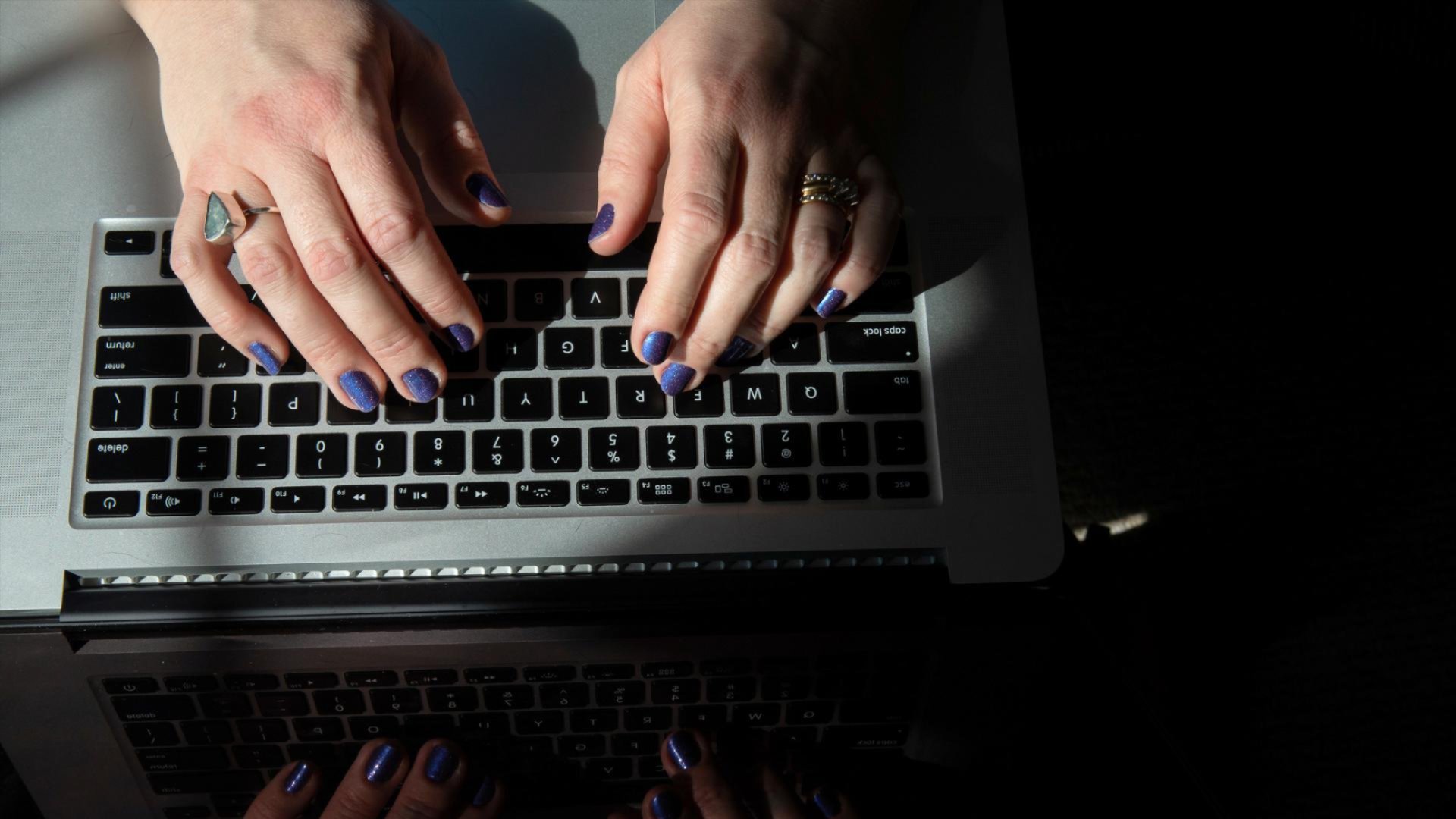
ChatGPT wasn’t able to pass the multiple choice portion of the bar exam after taking it last month, but the academics who administered the test to the artificial intelligence program say it’s only a matter of time before ChatGPT can pass.
The program’s power is worrying some law professors, who fear that its ability to generate text and legal research will enable rampant cheating, reports Karen Sloan. But others see it as a tool that today’s law students should be taught to harness in preparation for the future of the law.
Andrew Perlman, dean of Suffolk University Law School, said he would like to see first-year legal research and writing classes cover the use of tools like ChatGPT, just as they teach students to conduct research on Westlaw and LexisNexis. (Westlaw and Reuters have the same parent company.)
“It would not surprise me if professionals of the future will be expected to make queries to chatbots and other tools to at least get an initial draft of a document,” Perlman said. Read why some professors are less enthusiastic about students’ access to ChatGPT. |
|
|
Sponsored by Practical Law |
|
|
Explore the award-winning magazine companion to Practical Law, covering the latest transactional, regulatory, and litigation topics - now in a digital format. |
|
|
Appellate veteran William Consovoy, whose litigation boutique defended Donald Trump’s effort to keep his financial papers secret, died at 48. Consovoy’s namesake firm was stocked with former U.S. Supreme Court law clerks, and the firm was leading a challenge to race-conscious college admission policies. (Reuters)
-
The bankruptcy trustee overseeing Tom Girardi's defunct law firm Girardi Keese is seeking to recover millions of dollars that she claims Girardi fraudulently transferred to people and businesses, including his estranged wife, reality TV star Erika Jayne Girardi. The Chapter 7 trustee Elissa Miller has filed more than 100 lawsuits alleging that Tom Girardi and Girardi Keese tried to dodge creditors by fraudulently transferring money out of the firm. (Reuters)
- Meanwhile, the California state bar just appointed a public trust liaison, a new post that comes in the aftermath of criticism over how the regulatory body handled complaints against Tom Girardi. (Reuters)
-
U.S. Circuit Judge Elizabeth Branch, who is boycotting hiring law clerks from Yale Law School to protest "cancel culture" on its campus, told students in the Federalist Society chapter at Harvard that law schools need to "step up" and do more to encourage free speech on campus. (Reuters)
- Katten Muchin said four litigators joined the firm in New York from Curtis Mallet-Prevost. Katten's New York office is the 700-lawyer firm's second largest, behind Chicago. (Reuters)
|
Allen Weisselberg, the former chief financial officer of the Trump Organization, on Tuesday began his five-month sentence at Rikers Island, and as his lawyer Nicholas Gravante told Jenna Greene, the 75-year-old client "just wants to get it over with." The co-head of Cadwalader’s litigation department, Gravante has previously represented clients including Hunter Biden and the rapper formerly known as Kanye West. But he said the Weisselberg case, which required a precarious legal balancing act, has been “unlike any other” matter he’s handled. Here’s more on Gravante and the case.
|
—Weil Gotshal lawyers, asking the 2nd Circuit to send that short message to the U.S. Supreme Court in the hope that the justices will heed the call and strike down Major League Baseball’s long-standing exemption to federal antitrust law. Weil attorneys represent several minor league clubs that sued, and lost, after MLB cut their big league team affiliation. The clubs’ attorneys said they recognize the 2nd Circuit’s hands are tied by the century-old, court-crafted baseball exemption. Their opening brief called the shield “a get-out-of-antitrust-jail-free card.”
|
Despite some similarities, legal experts see clear differences between the retention of records by former President Trump and the documents found in an office used by President Biden before entering the White House. |
Jury selection is set to resume in the seditious conspiracy trial in D.C. federal court of former Proud Boys chairman Henry "Enrique" Tarrio and four other members of the far-right group, who are charged with planning to attack the U.S. Capitol on Jan. 6, 2021, to block Joe Biden's presidential win. Tarrio and co-defendants have pleaded not guilty. In November, Oath Keepers founder Stewart Rhodes and another leader of the right-wing group were found guilty of seditious conspiracy for their roles in the attack.
-
D.C. Circuit Judges Patricia Millett and Justin Walker, sitting with Senior Circuit Judge Harry Edwards, will hear arguments in a lawsuit by Woodhull Freedom Foundation, Human Rights Watch, Internet Archive and others challenging a federal law aimed at curbing online sales of prostitution with sex trafficking victims. The groups are represented by Davis Wright Tremaine, Electronic Frontier Foundation and other groups. They argue that the federal law in dispute “imposes an unconstitutional chilling effect on protected expression.”
-
Criminal defense lawyer Kenneth Ravenell in Baltimore will ask Richmond-based 4th Circuit to overturn his money laundering conviction tied to his client's drug case. Ravenell was sentenced to nearly five years in prison. Federal prosecutors alleged Ravenell "received drug proceeds from clients and associates who engaged in drug trafficking" and used law firm accounts to launder more than a million dollars. Ravenell’s lawyers argue jurors should have been allowed to weigh whether the prosecution was timely filed. Skadden’s David Zornow will argue for Ravenell, facing off against Leo Wise of the DOJ.
Court calendars are subject to last-minute docket changes. |
Six Texas state-run medical schools are facing a lawsuit accusing them of violating federal anti-discrimination laws by giving preferences to female and non-Asian minority applicants.The lawsuit, brought by former Trump aide Stephen Miller’s conservative group America First Legal, comes as the U.S. Supreme Court considers the legality of such race-conscious admissions policies. (Reuters)
-
The 1st Circuit appeared open to siding with convicted Boston Marathon bomber Dzhokhar Tsarnaev in his latest bid to reverse his death sentence for his role in the 2013 attack that killed three people and wounded 260 others. Tsarnaev's defense lawyer, Daniel Habib, told the court that two jurors had lied about whether they discussed the case on social media before being seated for Tsarnaev’s 2015 trial, and at least two judges on the panel questioned why those facts weren’t probed further. (Reuters)
-
Sotera Health has agreed to pay $408 million to settle more than 870 lawsuits by people who say they or their family members were sickened from exposure to ethylene oxide, a chemical used to sterilize medical devices, near one of the company's Sterigenics facilities in Willowbrook, Illinois. Sotera said it had settled to avoid the time and expense of protracted litigation but denied that the facility posed any safety risk. (Reuters)
-
Bankrupt crypto lender Voyager Digital says it is working to expedite a review from the U.S. Committee on Foreign Investment in the U.S. that could delay or block its proposed $1 billion sale of its assets to Binance.US. Voyager attorney Joshua Sussberg said his client is responding to questions submitted by CFIUS and intends to address any risk that CFIUS would oppose the transaction, which includes a $20 million cash payment and an agreement to transfer Voyager's customers to Binance.US's crypto exchange. (Reuters)
-
The brother of a former Coinbase Global product manager was sentenced to 10 months in prison after pleading guilty in what U.S. prosecutors have called the first insider trading case involving cryptocurrency. Nikhil Wahi admitted to making trades based on confidential information from Coinbase, one of the world's largest cryptocurrency exchanges, when he pleaded guilty in September to a wire fraud conspiracy charge. (Reuters)
|
|
|
Sponsors are not involved in the creation of this newsletter or any other Reuters news content. Get Reuters News App Want to stop receiving this newsletter? Unsubscribe here.
To manage which newsletters you're subscribed to, click here.
|
|
|
|