


Jan. 27, 2022
Good morning. President Joe Biden will now have a chance to fulfill a campaign promise to nominate the first Black woman for the U.S. Supreme Court, as Justice Stephen Breyer plans to step down after 27 years on the high court bench. Pfizer wants to jump into a public records lawsuit seeking FDA info about its COVID-19 vaccine licensing, and Wigdor is no longer a target of billionaire Leon Black’s racketeering suit. We’re not even a month into 2022, and we’re already navigating what could be the year’s biggest legal story. Stick with us!
Were you forwarded this email? Subscribe here.
Biden’s potential historic first at SCOTUS: Meet leading contenders 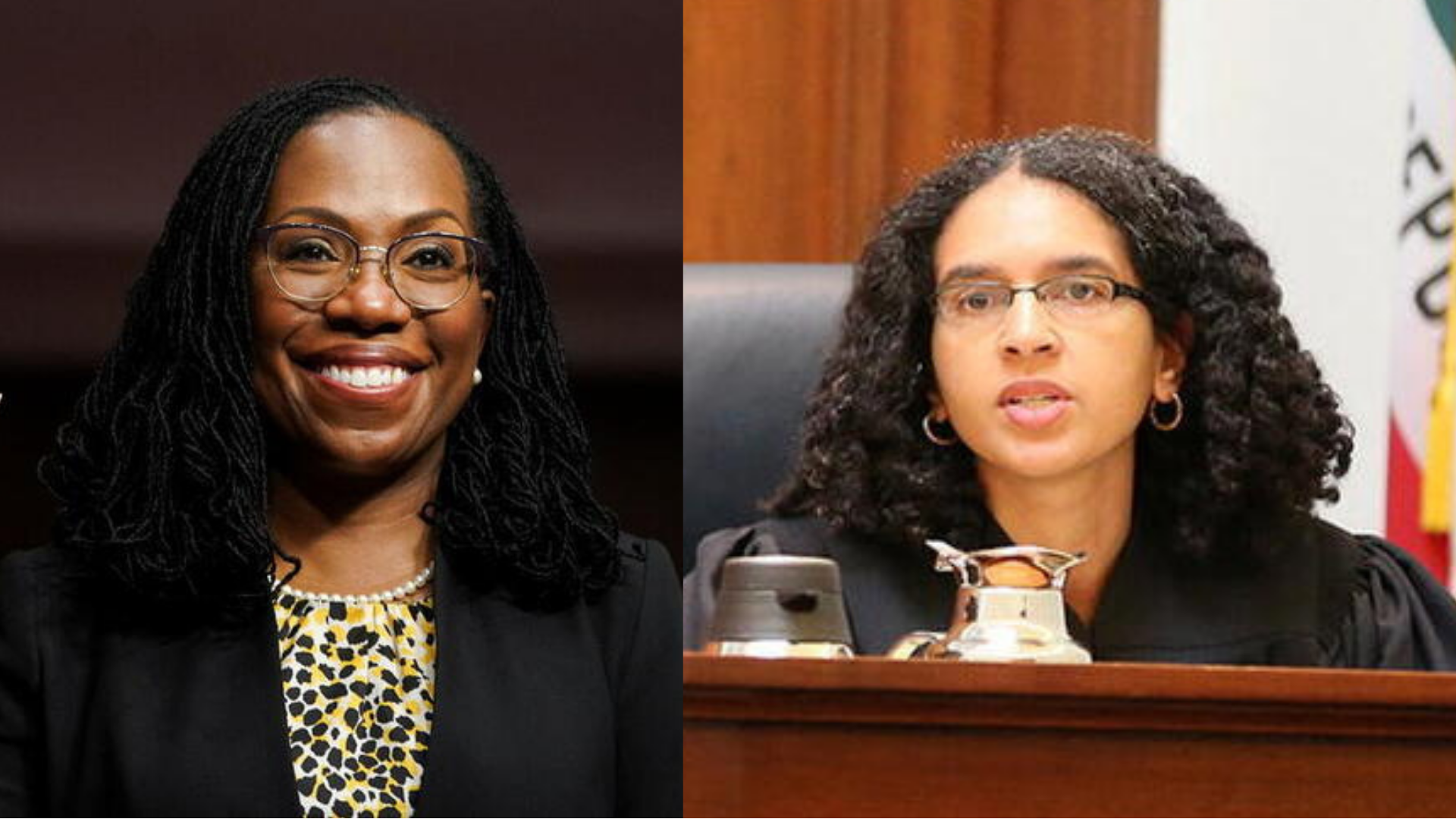
REUTERS/Kevin Lamarque/Pool (L), Justice Stephen Breyer’s plan to retire gives President Joe Biden a chance to fulfill a campaign promise to appoint the first Black woman on the U.S. Supreme Court.
Potential Biden nominees include Ketanji Brown Jackson, a former Breyer law clerk who was confirmed by the U.S. Senate last June to serve on the D.C. Circuit, and Leondra Kruger, a former U.S. Justice Department appellate lawyer who now serves on the California Supreme Court.
Jackson has earned respect from liberals and conservatives alike and is well-connected in the close-knit Washington legal community, Lawrence Hurley writes in a Reuters profile of the 51-year-old appeals court judge who earlier served on D.C.’s federal trial bench.
Kruger, 45, has served on California’s Supreme Court since 2014 and is seen as moderately liberal on civil matters, Andrew Chung writes in a Reuters profile of the potential nominee. Kruger is a former U.S. Justice Department lawyer who’s argued 12 cases at the high court.
Read more Reuters coverage of Breyer’s legacy, and what to expect: U.S. Justice Breyer fortified abortion rights, doubted death penalty /// Democrats to use Republican playbook for fast action on U.S. Supreme Court pick
Industry buzz

REUTERS/Bryan Woolston That’s about how many of the local governments eligible to participate in a $26 billion opioid settlement struck with drug distributors McKesson, AmerisourceBergen, Cardinal Health and pharmaceutical company J&J opted to join it by a Wednesday deadline. Those municipalities and counties are in 45 states plus several territories that agreed to settle with the distributors after the proposed settlement was announced in July. Nate Raymond has more on what the support means for the settlement’s chances going forward.
Columnist spotlight Flawed forensics in criminal trials overlooked in push to reform expert witness rules. The federal judiciary is considering changing rules about when testimony from an “expert” is allowable in court. The effort thus far has been largely focused on concerns from the corporate defense bar, despite a glaring problem regarding the use of invalid and unscientific “forensic” sciences in criminal cases. Hassan Kanu argues that the judiciary’s apparent neglect of systemic problems in forensics is a missed opportunity to address problems that continue to undermine the administration of justice. The curious case of the Quinn partner and the alleged conspiracy against Leon Black. Citing a confidential potential conflict, Quinn Emanuel withdrew this week as counsel to billionaire financier Leon Black in his lawsuit alleging that an ex-model who has accused him of rape conspired with Black’s business rival in a smear campaign. The firm remains counsel to Black in the ex-model’s state suit. Alison Frankel went hunting for clues about Quinn’s conflict in Black’s amended complaint, filed by Susan Estrich on the same day as Quinn’s withdrawal. What she found are allegations about two odd incidents involving a Quinn partner. Quinn’s client, it turns out, is using incidents involving a Quinn partner to attempt to show a vast conspiracy against him. Check out other recent pieces from all our columnists: Alison Frankel, Jenna Greene and Hassan Kanu.
Video: Supreme Court Justice Stephen Breyer to retire 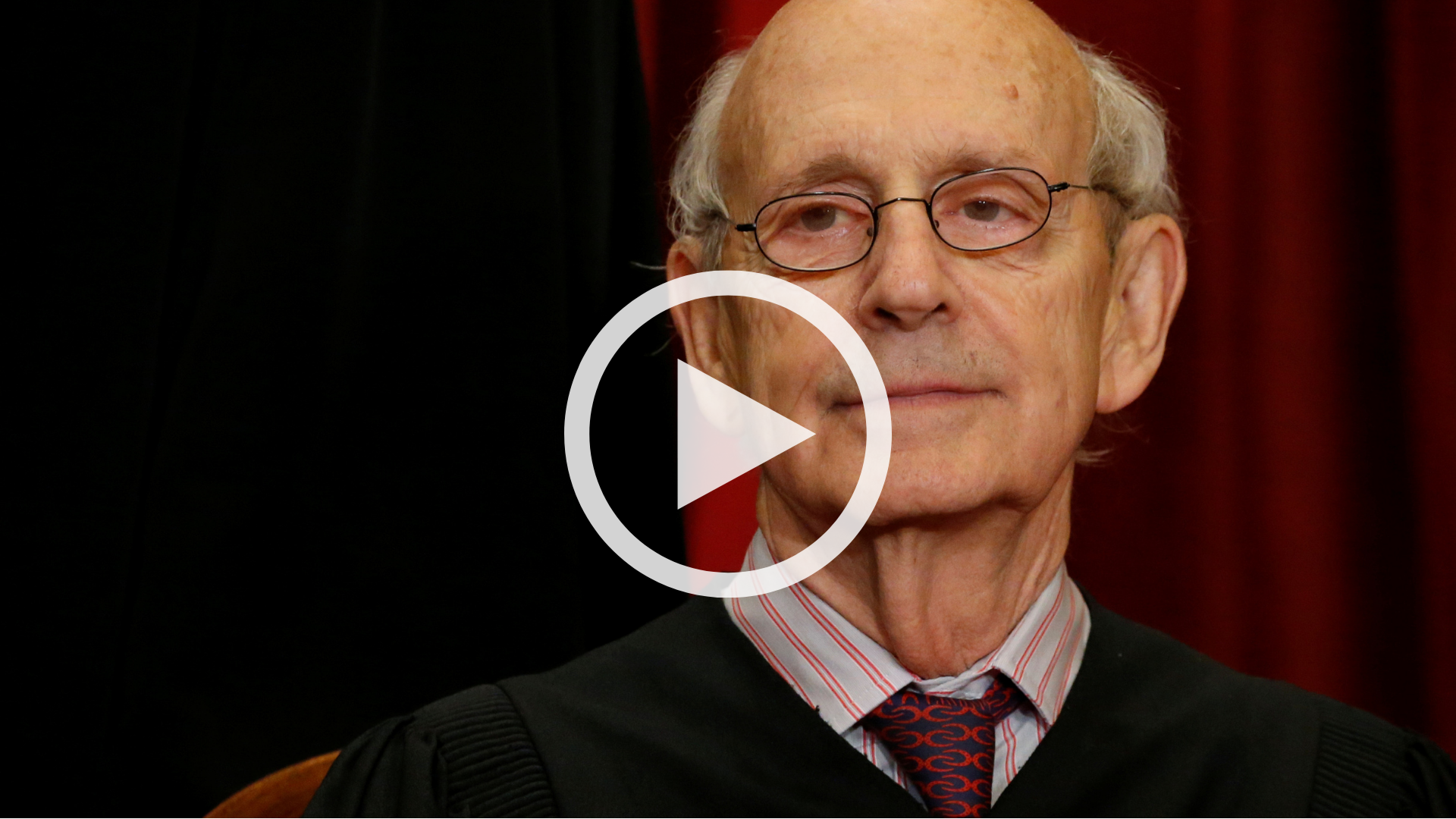
Liberal activists had urged U.S. Supreme Court Justice Stephen Breyer to retire before Republicans could regain control of the Senate and thus block his replacement. This report produced by Jonah Green.
"Congress is not trying to regulate or suppress plaintiffs’ adult entertainment. It has simply chosen not to subsidize it."
—7th Circuit Judge David Hamilton, writing for a unanimous three-judge panel that Congress did not violate the free-speech rights of adult entertainment businesses by barring them from participating in the Paycheck Protection Program. The 2nd Circuit came to the same conclusion last March. Read more about the latest ruling.
Reporter's notebook: Following the money, as recruitment efforts ramp up
Business of law reporter David Thomas on associate pay wars

Stop me if you’ve heard this one before.
A prestigious New York law firm says it’s boosting pay for its associates, triggering an industry-wide guessing game about which firms will match — or up the ante.
If you follow our law firm coverage, this news probably feels like deja vu. In the latest salvo fired in the associate pay wars, Milbank said last week it was boosting associate pay and at least 10 law firms so far say they’re following suit.
It's not a game law firm leaders want to play — consultants tell me this is going to be a tough pill to swallow for some of them. That's because the more pay keeps going up, the harder it becomes to keep pace.
And these new raises come on top of all the other money law firms showered associates with last year, including salary boosts and multiple rounds of bonuses. But they have to play the game. One consultant told me — top of market firms have to pay top of market salaries.
I'll be watching the financials U.S. law firms report this year. What kind of profit growth will we see in the industry given that expenses were already on the rise prior to this round of raises?
We'll find out. In the meantime, associates, enjoy all that cash — and the occasional expenses-paid vacation, too.
Coming up today
In the courts
Industry moves
Facebook’s decision to back away from its facial recognition technology after settling a biometric privacy lawsuit brought on behalf of Illinois residents for an eye-popping $650 million is a sign of the power of Illinois’ stringent privacy law, write Torsten Kracht, Lisa Sotto and Bennett Sooy of Hunton Andrews Kurth. Read more to see whether the case – and Facebook’s decision – has implications for other companies.
Want more legal news?
Contact and follow us
Diana Novak Jones diana.jones2@thomsonreuters.com
Mike Scarcella mike.scarcella@thomsonreuters.com
Thanks for reading The Daily Docket. Invite friends to subscribe here.
Contact us with feedback.
Copyright © 2022 Thomson Reuters. All rights reserved. 610 Opperman Drive, Eagan, MN 55123
Want to change how you receive these emails? |


